
- Sealy's uniqueness
- Health
- Smart tips
How long does a mattress last?
Generally speaking, most mattresses should last between 7-10 years. This timeframe depends heavily on the way the mattress is made, handled and used. Everything from manufacturing quality and craftsmanship to the size and weight of the sleeper can have an impact on the longevity of your mattress.
We discuss these factors along with tips on when to replace your bed and how to care for it.
How long does a mattress last — by type
There is no definitive timeframe that applies to every kind of bed. How long a mattress should last depends on the type of material it is made of, how it is used in the home and whether it is appropriately cared for. With that in mind, some types have a propensity to wear out faster than others.
| MATTRESS TYPE | LIFESPAN |
| Foam | 5-7 years |
| Latex | 6-10 years |
| Hybrid | 6-10 years |
| Innerspring | 7-10 years |
| Memory foam | 7-10 years |
Foam
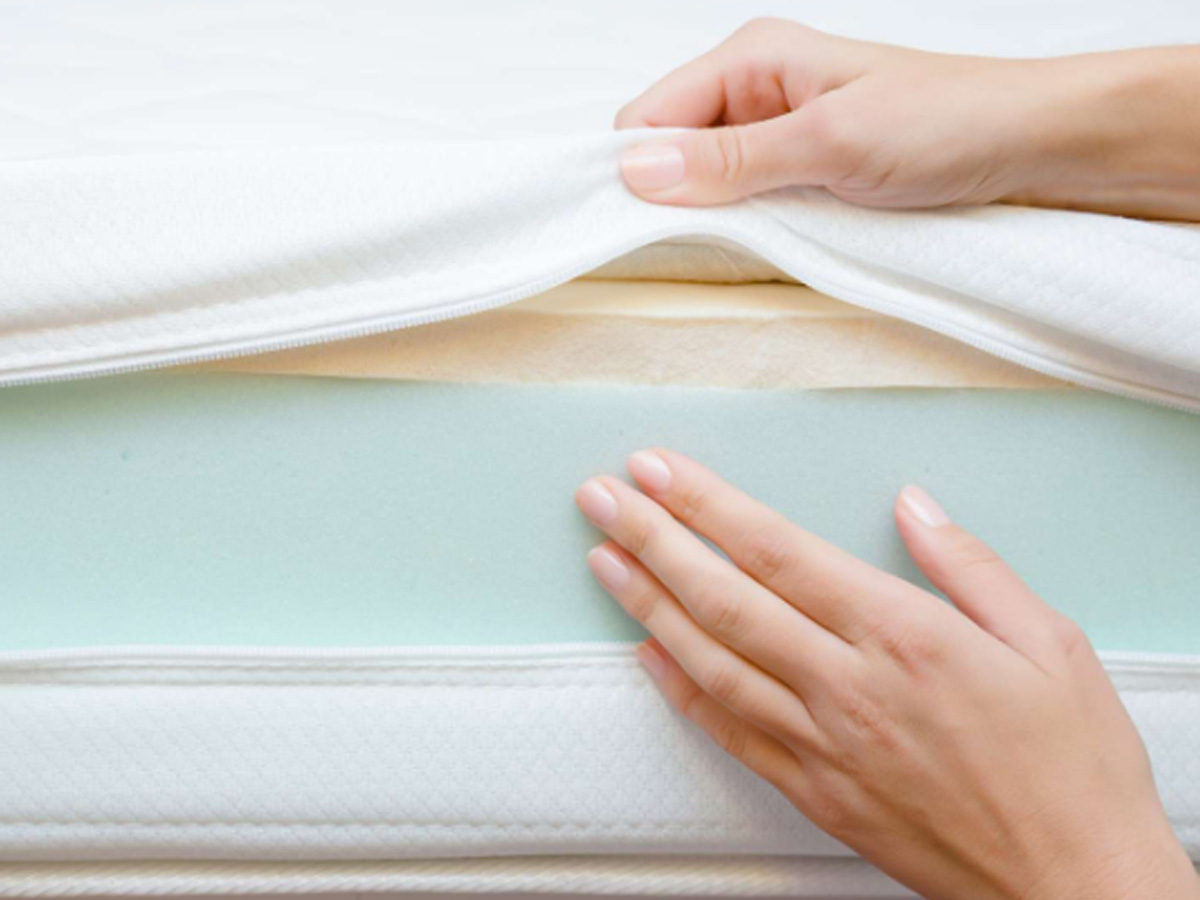
Foam mattresses are increasingly popular due to their lightweight construction and the ease with which they may be rolled up and shipped. Though soft to the touch, many foam beds lack sufficient back support. Much like latex, foam mattresses vary significantly in terms of their materials and corresponding quality. Memory foam mattresses can last 10-15 years, especially if they are made with high-density materials and maintained well. However, low-density foams will only last around 5–7 years. The lower the density of foam, the quicker it will sag and deteriorate under pressure.
Latex
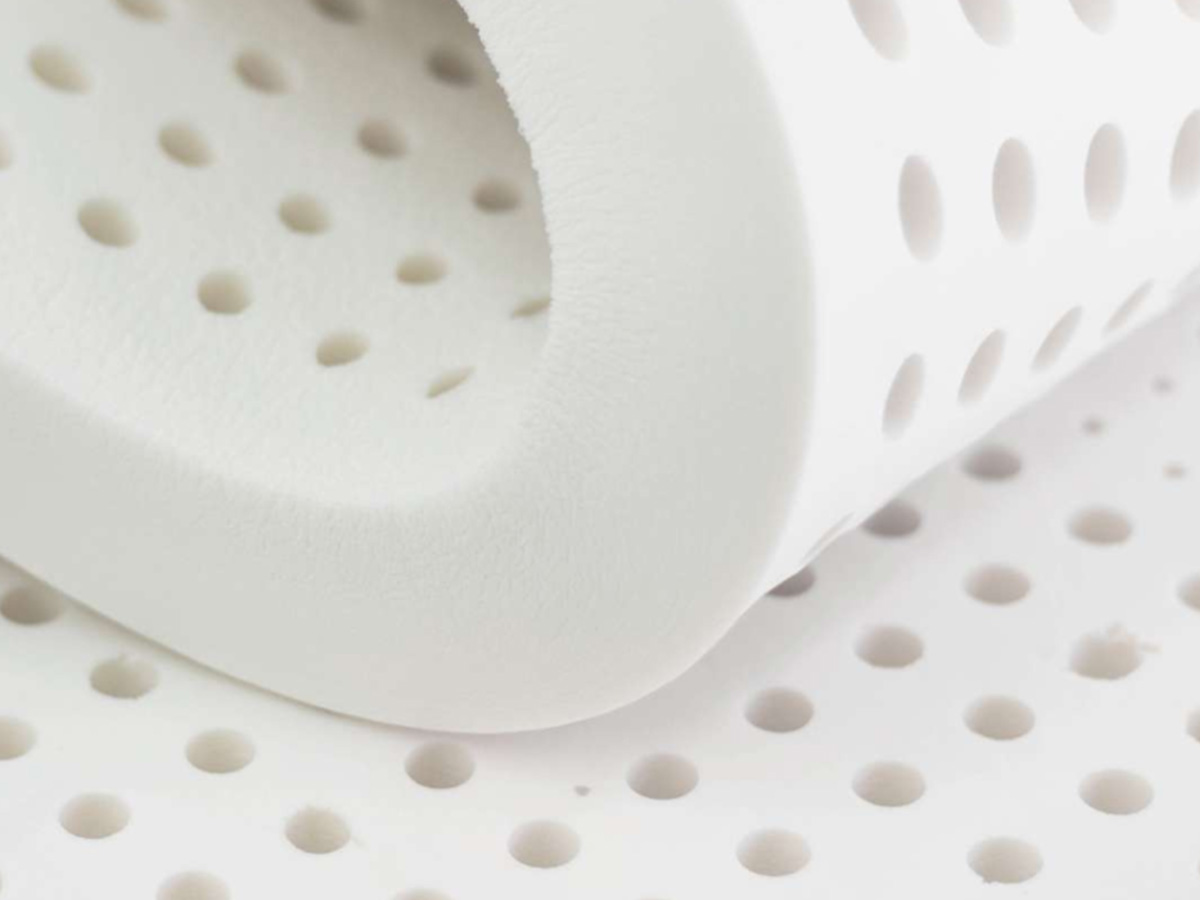
There are several variations of latex mattresses on the market. On the whole, these beds tend to be heavier and may trap heat throughout the night. Their lifespan depends on the type and quality of latex the manufacturer has used. Natural latex is made of rubber tree sap and often blended with cotton or wool. Popular for its hypoallergenic properties, a natural latex bed can last nearly 20 years if cared for properly. Synthetic latex is typically more affordable and may suit those with latex allergies. However, synthetic latex mattresses are less durable with a lifespan of approximately 6–10 years.
Hybrid
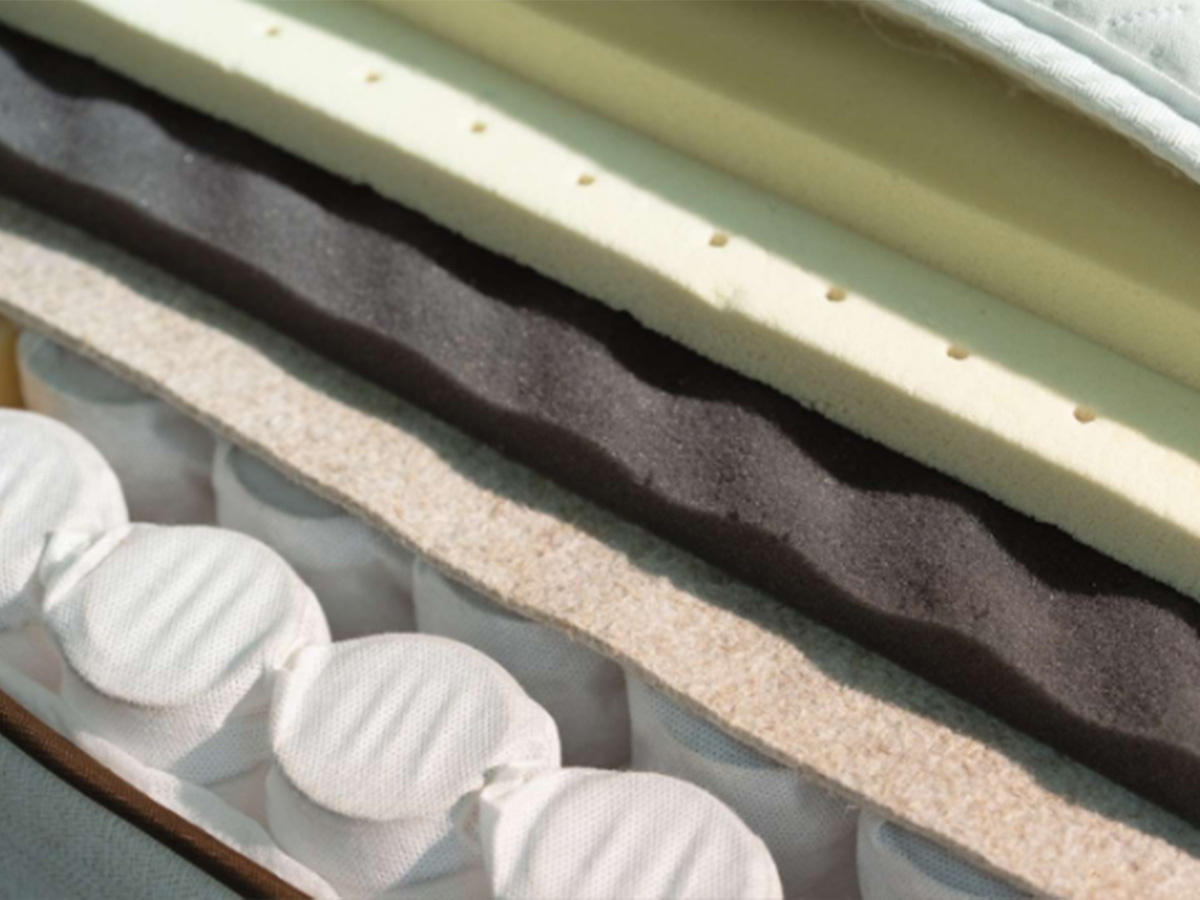
As their name suggests, hybrid beds are a combination of other mattress types. Traditionally, they feature foam or latex layers with springs. At face value, hybrid mattresses offer the best of both worlds in terms of comfort and support; however, this is dependent on the quality of materials and the kinds of springs used. Hybrids may last 6–10 years, especially if they are made with latex or memory foam. Those made with older, less durable types of springs (such as pocket coils) or low-density foams are likely to weaken or sag faster.
Innerspring
Innerspring mattresses feature a system of coils or springs that distribute weight across the surface and support the body. If they are made with high-quality materials and cared for appropriately, innerspring mattresses may last up to 10 years or more. Not all innerspring beds are created equal, with some spring types wearing out significantly faster than others, such as pocket coils or Bonnell springs. Our Sealy Posturepedic mattresses feature uniquely designed, twice-tempered coils that are backed by a 10-year warranty.

Factors influencing mattress lifespan
The lifespan of a mattress depends on:
- Materials and mattress type
- Body weight and sleep positions
- Chosen bed base
- Care and cleaning
Though they vary widely across the market, materials and construction methods are one of the key factors influencing longevity and durability. If you are looking for a bed to last at least 10 or more years, aim for high-density foams, latex or the springs with high quality. Sealy mattresses feature patented titanium coils that include multiple rounds of heat setting, which boosts durability, resilience and flexibility. Higher quality materials are often reflected in the price but be sure to check the specifications of the bed you wish to purchase.
In addition to build quality and materials, mattress lifespan is subject to the way it is used and cared for in the home. Your body weight and sleeping position may impact the materials; for example, if you are a side sleeper, the cushioning around your hips and shoulders is likely to wear faster than it would in other areas. This is especially the case if the mattress is never rotated, or if the bed base is not supportive enough. Poor cleaning methods and a lack of care may also reduce the longevity of your bed.
When to replace a mattress
Learning how long a mattress should last is beneficial. However, they are only a good estimate. Everyone’s mattress lifespan will vary slights based on a number of factors such as quality of the materials, individual sleeping habits, number of people using the mattress. Here are some signs that your mattress needs to be replaced.
- Does your mattress show visual deterioration?
- Do you wake up with aches and pains?
- Does your mattress feel unsupportive?
- Do you and you or your partner toss and turn more than usual?
- Do you have an increase in allergic symptoms
- Has it been more than 7 years since you got the mattress?
How to care for a mattress to last longer
Start by checking the care instructions. The manufacturer or retailer may have specific timelines and methods regarding mattress care and maintenance. Here at Sealy, we recommend the below steps to getting the most out of your investment.
- REGULARLY ROTATE
In order to get an even amount of wear across the entire sleep surface, you should rotate your mattress on a regular basis. Not all types can be flipped over; Sealy mattresses are not designed to be flipped or slept on both sides. Instead, spin the mattress 180 degrees, using the handles to assist with placement.
- CLEANING AND CARE
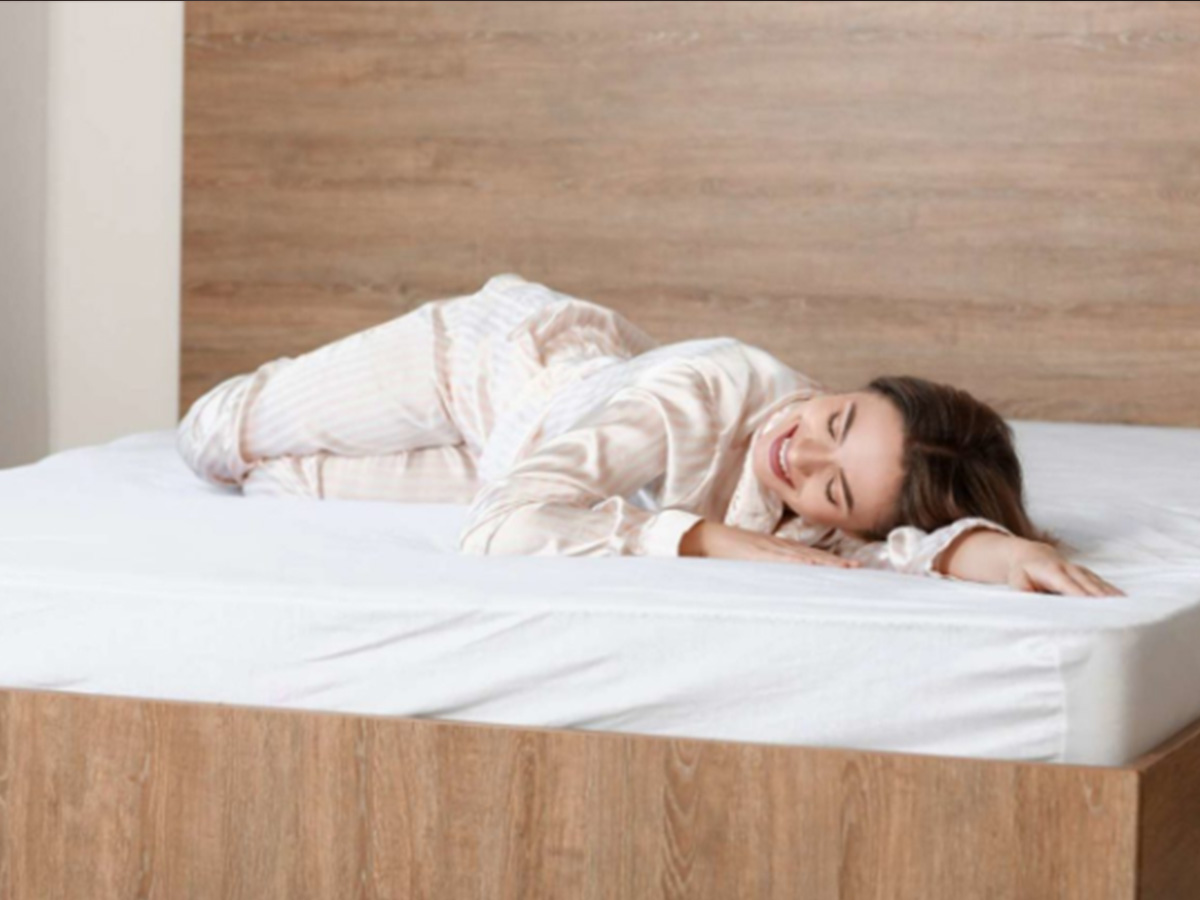
It is important to keep your bed clean so that it continues to stay fresh and perform as intended. We recommend the use of a mattress protector — a waterproof cover may be useful for children’s beds. In addition:
- Vacuum the surface regularly
- Keep dry and out of sunlight
- Treat spills as much as possible and wipe off immediately
- Avoid dry cleaning chemicals or detergents
- Avoid scrubbing or saturating the fabric
- Ensure there is adequate ventilation
- USE AN APPROPRIATE BED BASE
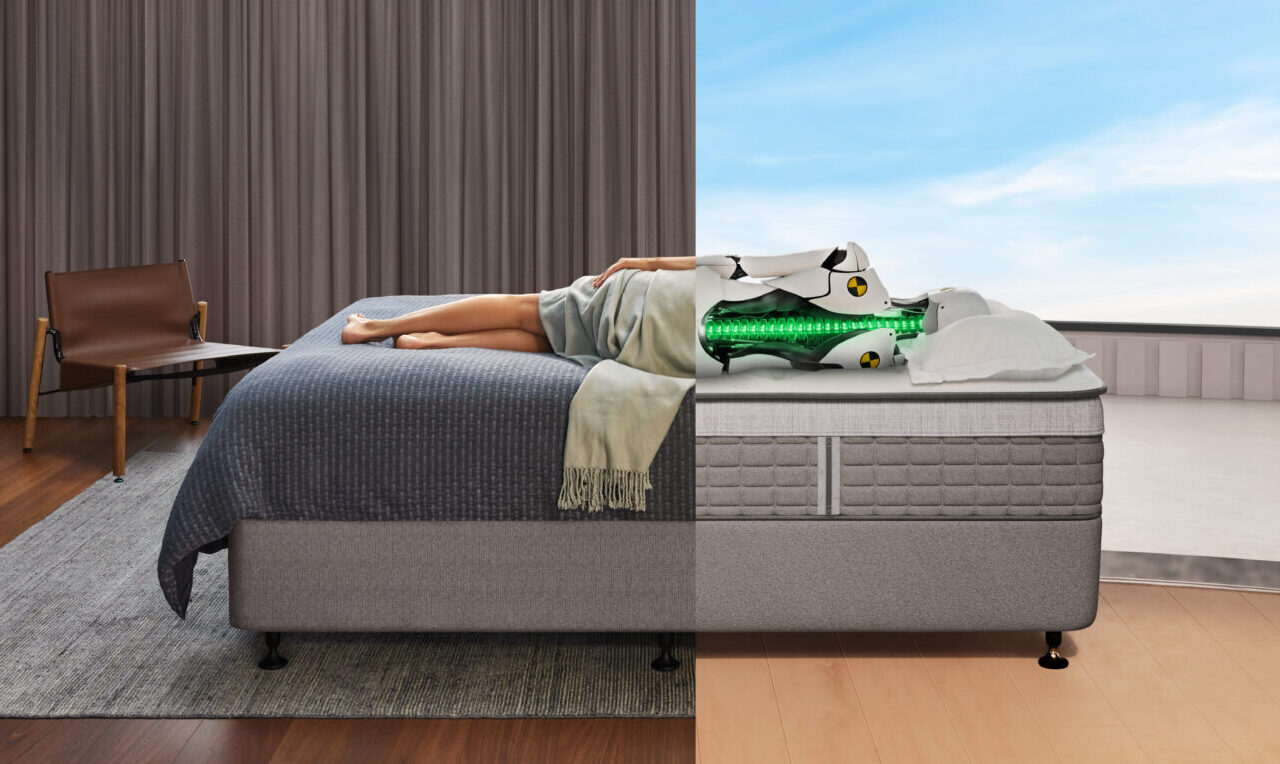
The main way to prolong the life of your mattress is to use an appropriate bed base. Slat bases are not always ideal and may promote mattress sagging in many cases. Sealy bases are designed to work with your mattress by absorbing stress and boosting support. A Sealy base will help to withstand wear and tear to the highest degree over the life of your warranty.
Visit your nearest Sealy Galleries or Counters to seek their expert advice and experience first hand our innovative and luxurious mattresses for yourself.